
For many neurodivergent families, a hotel is not simply a place to sleep between activities. It becomes the central anchor of the entire trip, the space where energy is recovered, routines are adjusted and regulation becomes possible, or not.
When accommodation works, travel often feels manageable, even when other parts of the journey are demanding. When it does not, even the most carefully chosen destination can quickly become exhausting. Yet hotels remain one of the most challenging elements of travel for neurodivergent families, largely because they are designed around standardized expectations rather than lived realities.
There is no such thing as a perfect hotel, especially when traveling with neurodivergent children. Needs vary, situations change, and what works for one family may not work for another. This article does not describe an ideal model, but rather a framework for understanding what makes accommodation more functional in real life.
Why hotels are often the hardest part of the trip
Hotels concentrate many challenges within a single space. Unfamiliar routines, shared environments, constant transitions and sensory stimulation all coexist behind closed doors. For neurodivergent children, these factors can accumulate quickly, especially after long travel days.
Check-in areas are often busy and noisy, corridors amplify sound, lighting remains artificial at all hours, and schedules are imposed rather than adapted. Small disruptions, such as housekeeping entering unexpectedly or breakfast areas becoming crowded and unpredictable, can destabilize an entire day.
Unlike outdoor environments, hotels offer limited escape. Families return to them repeatedly, often when energy levels are already low. When accommodation does not support recovery and regulation, stress does not dissipate, it compounds. This is why hotels play such a decisive role in the overall travel experience for neurodivergent families.
What hotels think families need
When hotels attempt to address family needs, the focus is often placed on visible or marketable features. Family rooms, children’s menus, play areas or welcome gifts are presented as signs of inclusivity and care.
While these elements may be appreciated, they rarely address the core challenges neurodivergent families face. Space alone does not guarantee comfort, entertainment does not replace regulation, and standardized family offerings often assume a one-size-fits-all model that does not reflect neurodivergent realities.
What families need most is not additional stimulation, but environments that reduce friction and allow for adjustment. When accommodation prioritizes appearance over function, good intentions frequently miss the point.
Why good intentions often miss the point
One of the recurring issues in hospitality is the gap between intention and impact. A hotel may sincerely aim to be welcoming, yet still create unnecessary strain through rigid systems and inflexible procedures.
Strict check-in times, fixed breakfast hours, automated processes and scripted interactions leave little room for adaptation. When families need extra time, privacy or small adjustments, they often feel as though they are asking for exceptions rather than exercising legitimate needs.
Neurodivergent-friendly accommodation does not require complex programs or specialized branding. It requires an understanding that flexibility is not a concession, but a fundamental component of hospitality.
What actually works in real life
What supports neurodivergent families is often simple, yet rarely prioritized.
Clear communication before arrival reduces uncertainty and allows families to prepare. Rooms with a clear and intuitive layout help children orient themselves more easily (for example, a visible entrance, a clearly identifiable bathroom, accessible light switches and a spatial organization that can be understood at a glance). Respect for privacy, including predictable housekeeping routines, prevents unnecessary disruptions.
Equally important is staff attitude. When families feel listened to rather than evaluated, many potential issues are resolved before they escalate. Calm explanations, flexibility around timing and a willingness to adapt without judgment can significantly improve the experience.
These elements rarely appear in marketing materials, yet they are what families remember most once the stay is over.
Common hotel features that create stress
Certain hotel characteristics consistently create difficulties for neurodivergent families. Open-plan lobbies amplify noise and visual stimulation, while buffets concentrate crowds and unpredictability. Corridors with constant foot traffic reduce the sense of personal space, making rest more difficult.
Technology, while often presented as a solution, can also increase cognitive load. Touchscreen systems, automated lighting or mandatory app-based services require constant adaptation and can complicate rather than simplify daily routines.
None of these features are inherently negative. However, when alternatives or flexibility are absent, accommodation can quickly become a source of strain rather than support.
When a hotel becomes a functional base, not just a place to sleep
A hotel becomes supportive when it functions as a base rather than a performance space. It allows families to adjust routines, recover between activities and move through the stay at their own pace.
In such environments, families are not constantly managing the space. The space works with them. This shift has a profound impact on the overall travel experience, often determining whether a trip feels sustainable or exhausting.
Supportive hotels do not eliminate challenges entirely. They create conditions in which challenges remain manageable and do not dominate the entire stay.
Rethinking accommodation through lived experience
For neurodivergent families, accommodation should be evaluated through lived experience rather than advertised features. What matters is not how inclusive a hotel claims to be, but how it behaves in practice, over time.
Observing how spaces function day after day reveals patterns that no label can capture. This is why documenting real hotel stays is essential, it allows families to move beyond assumptions and make decisions based on concrete conditions rather than promises.
Conclusion
There is no perfect hotel for neurodivergent families. Expectations may seem high, not because perfection is possible, but because accommodation plays a central role in whether travel remains manageable or becomes overwhelming.
What matters is not the absence of difficulty, but the presence of conditions that allow families to adapt, recover and continue. When hotels understand this, even imperfect environments can become supportive bases rather than sources of constant strain.
Rethinking hotels through lived experience does not raise unrealistic standards. It brings clarity to what truly makes a difference once the stay begins.
Editorial Notes
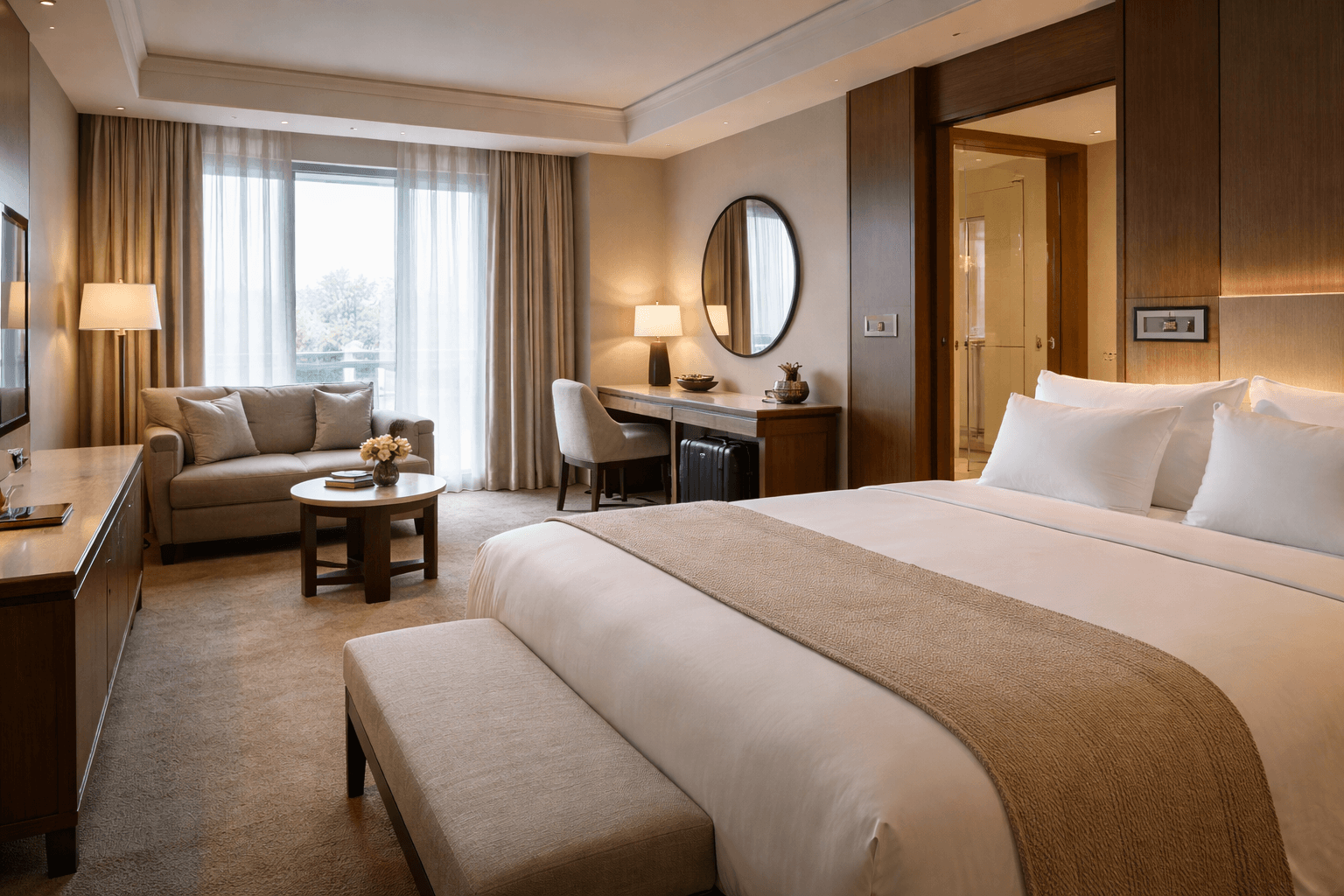
The images used in this article are AI-generated and serve illustrative purposes only. They are intended to help readers visualize travel situations and environments discussed in the text.
Whenever we personally visit a destination, we rely on real photographs and firsthand observation. Transparency and trust are central to our editorial approach.
Blog
This section provides an overview of the blog, showcasing a variety of articles, insights, and resources to inform and inspire readers.
-
Rethinking Hotels for Neurodivergent Families
For many neurodivergent families, a hotel is not simply a place to sleep between activities.…
-

12 Destinations Around the World Where Neurodivergent Families Can Travel with Confidence
We know the feeling. The knot in your stomach before booking a flight. The hours…
-

Why We Chose to Document Travel Instead of Chasing Perfect Itineraries
Travel content is often built around the idea that the right itinerary makes all the…


Leave a Reply